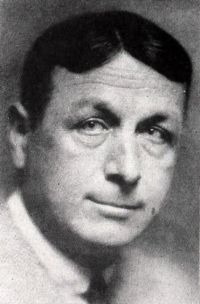
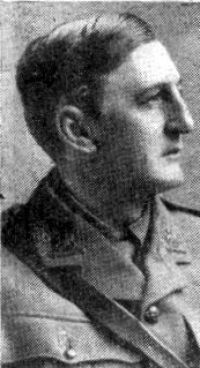
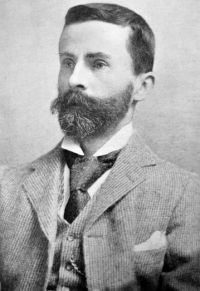
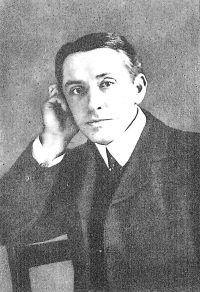
The literary concept of "Ralston" emerges as a recurring character archetype in late 19th- and early 20th-century fiction, embodying themes of personal determination, moral ambiguity, and emotional complexity. Authors such as F. Marion Crawford, Arthur Cheney Train, and A. E. W. Mason portray Ralston through different perspectives: Crawford’s The Ralstons focuses on intimate, psychological interactions, while Train’s Mortmain presents him as a figure grappling with urban conflict and existential doubt.
Mason, in The Broken Road, places Ralston within colonial settings, emphasizing his function as a guardian in times of danger. These depictions collectively highlight Ralston’s duality—as both a resolute individual and a product of his social environment—revealing how the theme reflects shifting narratives of autonomy and selfhood.