Summary

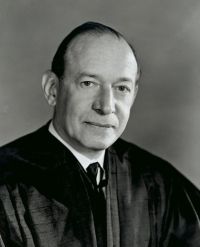
Portrait of Abe Fortas Abe Fortas United States v. Sealy, Inc. — Opinion of the Court

For example, some of the crucial findings of the District Court describe actions as having been taken by 'stockholder representatives' acting as the board or a committee.
It is true that the licensees had an interest in Sealy's effectiveness and efficiency, and, as stockholders, they welcomed its profitability-at any rate within the limits set by their willingness as licensees to pay royalties to the joint venture. But that does not determine whether they as licensees are chargeable with action in the name of Sealy. We seek the central substance of the situation, not its periphery
Source: Wikisource

Portrait of Abe Fortas Abe Fortas United States v. Sealy, Inc. — Opinion of the Court

In the first place, this flagrant and pervasive price-fixing, in obvious violation of the law, was, as the trial court found, the activity of the 'stockholder representatives' acting through and in collaboration with Sealy mechanisms. This underlines the horizontal nature of the enterprise, and the use of Sealy, not as a separate entity, but as an instrumentality of the individual manufacturers. In the second place, this unlawful resale price-fixing activity refutes appellee's claim that the territorial restraints were mere incidents of a lawful program of trademark licensing.
Source: Wikisource

Portrait of Abe Fortas Abe Fortas United States v. Sealy, Inc. — Opinion of the Court

There is no dispute that exclusive territories were allotted to the manufacturer-licensees. Sealy agreed with each licensee not to license any other person to manufacture or sell in the designated area; and the licensee agreed not to manufacture or sell 'Sealy products' outside the designated area. A manufacturer could make and sell his private label products anywhere he might choose.
Source: Wikisource

Get perspective with Kwize: daily news enlightened by great literature