Summary

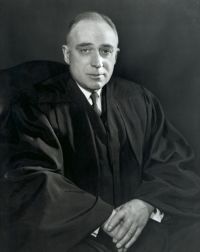
Portrait of John Marshall Harlan II John Marshall Harlan II United States v. Sealy, Inc. — Dissent

United States, 372 U.S. 253, 263, 83 S.Ct. 696, 702, 9 L.Ed.2d 738, they are 'naked restraints of trade with no purpose except stifling of competition.' On the other hand, vertical restraints-that is, limitations imposed by a manufacturer on its own dealers, as in White Motor Co., supra, or by a licensor on his licensees-may have independent and valid business justifications. The person imposing the restraint cannot necessarily be said to be acting for anticompetitive purposes.
Source: Wikisource

Portrait of John Marshall Harlan II John Marshall Harlan II United States v. Sealy, Inc. — Dissent

The District Court made the following findings:
'4. The proceding (detailed factual) findings indicate the type of evidence in this record that demonstrates that there has never been a central conspiratorial purpose on the part of Sealy and its licensees to divide the United States into territories in which competitors would not compete. Their main purpose has been the proper exploitation of the Sealy name and trademarks by licensing bedding manufacturers to manufacture and sell Sealy products in exchange for royalties to Sealy.
Source: Wikisource

Get perspective with Kwize: daily news enlightened by great literature