Summary

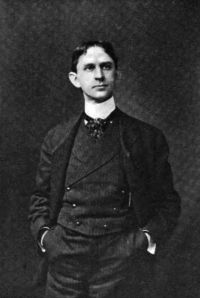
Portrait of Albert Bigelow Paine Albert Bigelow Paine The Boys' Life of Mark Twain — Chapter 16 (1916)

The world wonders, admires, idolizes, and it only illustrates what others may do they take hold of life with a purpose. The miracle, or the power that elevates the few, is to be found in their industry, application, and perseverance under the promptings of a brave, determined spirit.
Bixby and Clemens were together that winter on the Child, and were the closest friends. Once the young pilot invited his mother to make the trip to New Orleans, and the river journey and a long drive about the beautiful Southern city filled Jane Clemens with wonder and delight.
Source: Wikisource

Portrait of Albert Bigelow Paine Albert Bigelow Paine The Boys' Life of Mark Twain — Chapter 16 (1916)

Take it as though it was a grand opportunity to do and achieve, to carry forward great and good schemes to help and cheer a suffering, weary, it may be heartbroken, brother. Now and then a man stands aside from the crowd, labors earnestly, steadfastly, confidently, and straightway becomes famous for wisdom, intellect, skill, greatness of some sort.
Source: Wikisource

Portrait of Albert Bigelow Paine Albert Bigelow Paine The Boys' Life of Mark Twain — Chapter 16 (1916)

Still more interesting are the river notes themselves. They are not the timid, hesitating memoranda of the "little book" which, by Bixby's advice, he bought for his first trip. They are quick, vigorous records that show confidence and knowledge. Under the head of "Second high-water trip—Jan., 1861—Alonzo Child," the notes tell the story of a rising river, with overflowing banks, blind passages, and cut-offs—a new river, in fact, that must be judged by a perfect knowledge of the old—guessed, but guessed right.
Source: Wikisource

Get perspective with Kwize: daily news enlightened by great literature