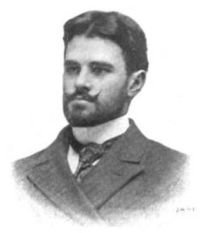
Albert Payson Terhune

Albert Payson Terhune

Summary

Portrait of Albert Payson Terhune Albert Payson Terhune The Smart Set, Volume 42, Issue 1… (1914)

She looked out through the shutters at the harness bull stationed by a reform-for-revenue-only police captain outside her door. She looked at the list of bad debts, the piled-up tradesmen duns, and the higher pile of counterfeit yellows. And she wished for once in her life that she was still respectable; so she could cry on some woman friend's divan, tell her pastor her troubles, and then be snappy to her husband and maybe discharge the cook.
But what could she do? She had no woman friend left—of the sort one cries to. Her husband was still farther away.
Source: Wikisource

Portrait of Albert Payson Terhune Albert Payson Terhune The Smart Set, Volume 42, Issue 1… (1914)

Servants loved to work for her. It gave them a standing for future places. She had nobody to be afraid of. She was safe at every square on the board. She had taught the servants and boarders to call her “Madam Fauquier.” They supposed it was a Southern custom.
Was she happy? You'd think so, with a land office income, a good conscience, no worry and the respect of her community.
But—if you lose what you want most, will you be happy with what's wished on you in its place? Not you. Not anyone. Certainly not Mrs. Jubal Lee Fauquier—formerly Mattie Mercer.
Source: Wikisource

Portrait of Albert Payson Terhune Albert Payson Terhune The Smart Set, Volume 42, Issue 1… (1914)

The good old Law (scoffed Raegan) gives women the best of it, hey? Maybe so, in such silly trifles as property rights and breach of promise and arson and mayhem and murder. But not in the really big things of life. Not once. Sometimes it even drives 'em to matrimony. Or worse. Like Mattie Mercer.
It didn't drive Mattie Mercer to matrimony.
Source: Wikisource

Get perspective with Kwize: daily news enlightened by great literature