Summary

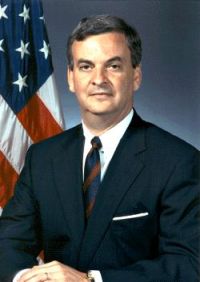
Portrait of Alberto J. Mora Alberto J. Mora Statement of Alberto J Mora on interrogation abuse… (2004)

Could a detainee be held in a coffin? Could phobias be applied until madness set in? Not only could individual techniques applied singly constitute torture, I said, but also the application of combinations of them must surely be recognized as potentially capable of reaching the level of torture. Also, the memo's fundamental problem was that it was completely unbounded —— it failed to establish a clear boundary for prohibited treatment. That boundary, I felt, had to be at that point where cruel and unusual punishment or treatment began.
Source: Wikisource

Portrait of Alberto J. Mora Alberto J. Mora Statement of Alberto J Mora on interrogation abuse… (2004)

In the meeting, I mentioned my concern that simple opposition to the use of the coercive interrogation techniques may not be sufficient to prevail in the impending bureaucratic reexamination of which procedures to authorize. We couldn't fight something with nothing; was there anything in the scientific or academic literature that would support the use of non-coercive interrogation techniques? Dr. Gelles replied that there was. Most behavioral experts working in the field, he said, viewed torture and other less coercive interrogation tactics not only as illegal, but also as ineffective.
Source: Wikisource

Portrait of Alberto J. Mora Alberto J. Mora Statement of Alberto J Mora on interrogation abuse… (2004)

If a person being forced to stand for hours decided to lie down, it probably would take force to get him to stand up again and stay standing. In contrast to the civilian law enforcement personnel present at Guantanamo, who were trained in interrogation techniques and limits and had years of professional experience in such practices, the military interrogators were typically young and had little or no training or experience in interrogations.
Source: Wikisource

Get perspective with Kwize: daily news enlightened by great literature