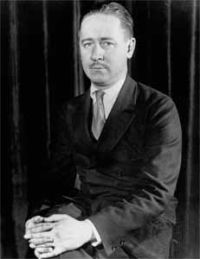
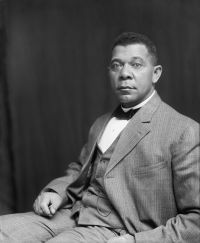
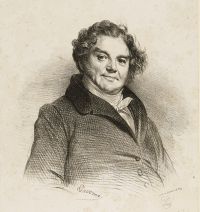
A memo is a concise document used for communication, record-keeping, or reference. From personal notes to formal reports, its utility spans contexts. Robert Benchley humorously depicted memos as tools for trivial observations, while Booker T. Washington employed them for academic study. Legal and governmental frameworks, as seen in Alberto J.
Mora’s critique of policy memos or the Senate Judiciary Committee’s interrogation of research, highlight their bureaucratic role. Meanwhile, Eugène François Vidocq and François-René de Chateaubriand underscored memos’ narrative potential, blending personal history with critical reflection. These varied approaches reveal the memo as both a practical instrument and a vessel for human thought.