Summary

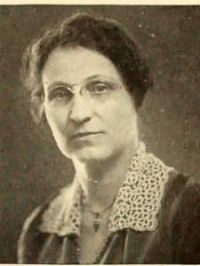
Portrait of Annie Heloise Abel Annie Heloise Abel The American Indian as Slaveholder and Seccessionist

The object seems to have been to create strife and conflict, instead of harmony and good-will, among the people themselves, and to engender prejudice and distrust, instead of kindness and confidence, towards them by the officers and citizens of the Confederate States....
... The great object with me has been to have the Cherokee people harmonious and united in the full and free exercise and enjoyment of all their rights of person and property. Union is strength; dissension is weakness, misery, ruin. In time of peace, enjoy peace together; in time of war, if war must come, fight together.
Source: Gutenberg

Portrait of Annie Heloise Abel Annie Heloise Abel The American Indian as Slaveholder and Seccessionist

Indian trade, under federal regulations, was nothing more nor less than an extension of the protective policy, a policy that was destructive of all competition and that put the Indian, often to the contempt of his intelligence, at the mercy of the white sharper. Indian commissioner after Indian commissioner had protested against it, but all in vain. George W. Manypenny, particularly, had tried [288] to effect a change; for he was himself convinced that, if the Indians were capable of self-government, they were certainly capable of conducting their own trade.
Source: Gutenberg

Portrait of Annie Heloise Abel Annie Heloise Abel The American Indian as Slaveholder and Seccessionist

If the North succeeds you will most certainly lose all. First your slaves they will take from you; that is one object of the war, to enable them to abolish slavery in such manner and at such time as they choose. Another, and perhaps the chief cause, is to get upon your rich lands and settle their squatters, who do not like to settle in slave States.
Source: Gutenberg

Get perspective with Kwize: daily news enlightened by great literature