Summary

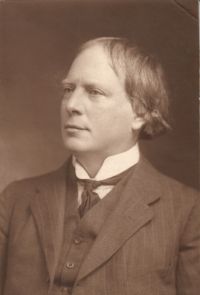
Portrait of Arthur Machen Arthur Machen The Shining Pyramid (collection… (1923)

A Chinaman would tell the same tale about his opium-pipe, a dipsomaniac of the brandy-bottle, an habitual smoker of his tobacco. Each of these deluded and degraded persons would protest that he could not live without his stimulant or his narcotic, and would, very likely, suffer severely enough if it were denied him, the vicious craving induced by indulgence co-operating with the imagination, so that a very real state of misery might result from deprivation.
Source: Wikisource

Portrait of Arthur Machen Arthur Machen The Shining Pyramid (collection… (1923)

As for the plea of antiquity, Hexton expressed his surprise that such a plea could be put forward for a moment. This was the plea that had been advanced in favour of every abuse, of every folly, of every monstrosity of thought or practice of which the human race had been guilty—the fact of this defence being made was in itself à priori evidence that the case was past defending. Men had been eating and drinking for countless ages?
Source: Wikisource

Portrait of Arthur Machen Arthur Machen The Shining Pyramid (collection… (1923)

It is certain that the sufferer from 'starvation' has done nothing of the kind, that he is no more able to demonstrate the irrational action he has performed than a poor Catholic is able to demonstrate the Sacrifice of the Mass. The 'starving' man who chews beef, the 'devout' man who goes to mass are, in plain language, persons who perform actions for which they are unable to give the semblance of a reasonable account.
Source: Wikisource

Get perspective with Kwize: daily news enlightened by great literature