Summary

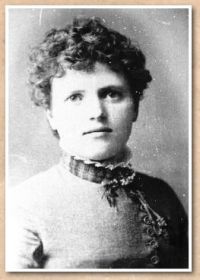
Portrait of B. M. Bower B. M. Bower The Trail of the White Mule

Driving across the desert on a dark night is confusing to the most observant wayfarer. On either side, beyond the light of the car, illusory forest stands for mile upon mile. Up hill or down or across the level it is the same—a narrow, winding trail through dimly seen woods. The most familiar road grows strange; the miles are longer; you drive through mystery and silence and the world around you is a formless void.
Dawn and a gorgeous sunrise painted out the woods and revealed barren hilltops which Casey did not know.
Source: Gutenberg

Portrait of B. M. Bower B. M. Bower The Trail of the White Mule

In spite of his long experience with desert scenery, Casey was somewhat astonished to find himself in a new land, fairly level and with thick groves of pinon cedar and juniper trees scattered here and there. Far away stood other barren hills with deep canyons between. He knew now that the black-capped butte was less a butte than the uptilted nose of a high plateau not half so barren as the lower country. From the pointing Joshua tree it had seemed a peak, but contours are never so deceptive as in the high, broken barrens of Nevada.
Source: Gutenberg

Portrait of B. M. Bower B. M. Bower The Trail of the White Mule

The licking flames of dry greasewood burning, with a pungent odor in my nostrils when the wind blew the smoke my way. The far-off hooting of an owl, perched somewhere on a juniper branch watching for mice; and Casey Ryan sitting cross-legged in the sand, squinting humorously at me across the fire while he talked.
I saw him, too, bolting a hurried breakfast under a mesquite tree in the chill before sunrise, his mind intent upon the trail; facing the desert and its hardships as a matter of course, with never a thought that other men would shrink from the ordeal.
Source: Gutenberg

Get perspective with Kwize: daily news enlightened by great literature