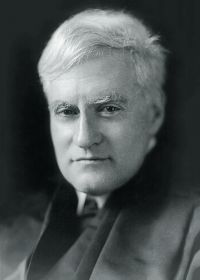
 Benjamin N. Cardozo,
Shepard v. United States — Opinion of the Court
Benjamin N. Cardozo,
Shepard v. United States — Opinion of the Court
“ It used the declarations as proof of an act committed by some one else, as evidence that she was dying of poison given by her husband. This fact, if fact it was, the government was free to prove, but not by hearsay declarations. It will not do to say that the jury might accept the declarations for any light that they cast upon the existence of a vital urge, and reject them to the extent that they charged the death to some one else. Discrimination so subtle is a feat beyond the compass of ordinary minds. ”
