Summary

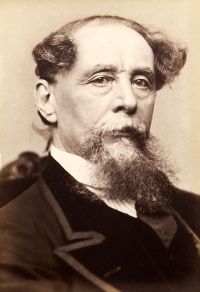
Portrait of Charles Dickens Charles Dickens Little Dorrit — Book 1, Chapter 21 (1857)

Society had everything it could want, and could not want, for dinner. It had everything to look at, and everything to eat, and everything to drink. It is to be hoped it enjoyed itself; for Mr Merdle’s own share of the repast might have been paid for with eighteen-pence. Mrs Merdle was magnificent. The chief butler was the next magnificent institution of the day. He was the stateliest man in the company. He did nothing, but he looked on as few other men could have done. He was Mr Merdle’s last gift to Society.
Source: Wikisource

Portrait of Charles Dickens Charles Dickens Little Dorrit — Book 1, Chapter 21 (1857)

Like unexceptionable Society, the opposing rows of houses in Harley Street were very grim with one another. Indeed, the mansions and their inhabitants were so much alike in that respect, that the people were often to be found drawn up on opposite sides of dinner-tables, in the shade of their own loftiness, staring at the other side of the way with the dullness of the houses.
Everybody knows how like the street the two dinner-rows of people who take their stand by the street will be.
Source: Wikisource

Portrait of Charles Dickens Charles Dickens Little Dorrit — Book 1, Chapter 21 (1857)

If we should ever be happily enabled, by accidentally possessing the control over circumstances, to propose to one so eminent to—to come among us, and give us the weight of his influence, knowledge, and character, we could only propose it to him as a duty. In fact, as a duty that he owed to Society.’
Mr Merdle intimated that Society was the apple of his eye, and that its claims were paramount to every other consideration. Treasury moved on, and Bar came up.
Source: Wikisource

Get perspective with Kwize: daily news enlightened by great literature