Summary

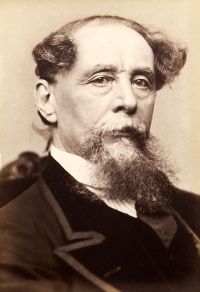
Portrait of Charles Dickens Charles Dickens,  Little Dorrit — Book 2, Chapter 27 (1857)

“ I was solicitous to promote Miss Dorrit’s happiness; and if I could have supposed that Miss Dorrit returned your affection——’
Poor John Chivery turned crimson to the tips of his ears. ‘Miss Dorrit never did, sir. I wish to be honourable and true, so far as in my humble way I can, and I would scorn to pretend for a moment that she ever did, or that she ever led me to believe she did; no, nor even that it was ever to be expected in any cool reason that she would or could. She was far above me in all respects at all times.
”
Source: Wikisource

Portrait of Charles Dickens Charles Dickens,  Little Dorrit — Book 2, Chapter 27 (1857)

“ Arthur Clennam dropped into a solitary arm-chair, itself as faded as any debtor in the jail, and yielded himself to his thoughts.
In the unnatural peace of having gone through the dreaded arrest, and got there,—the first change of feeling which the prison most commonly induced, and from which dangerous resting-place so many men had slipped down to the depths of degradation and disgrace by so many ways,—he could think of some passages in his life, almost as if he were removed from them into another state of existence.
”
Source: Wikisource

Portrait of Charles Dickens Charles Dickens,  Little Dorrit — Book 2, Chapter 27 (1857)

“ When these were arranged upon the table to his satisfaction, they sat down to tea.
Clennam tried to do honour to the meal, but unavailingly. The ham sickened him, the bread seemed to turn to sand in his mouth. He could force nothing upon himself but a cup of tea.
‘Try a little something green,’ said Young John, handing him the basket.
He took a sprig or so of water-cress, and tried again; but the bread turned to a heavier sand than before, and the ham (though it was good enough of itself) seemed to blow a faint simoom of ham through the whole Marshalsea.
”
Source: Wikisource

Get perspective with Kwize: daily news enlightened by great literature