Arthur Clennam

Definition and stakes

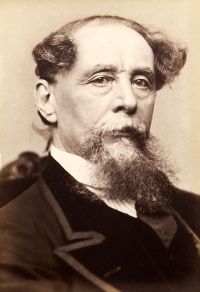
Portrait of Charles Dickens Charles Dickens Little Dorrit (1857)

His head was awry, and he had a one-sided, crab-like way with him, as if his foundations had yielded at about the same time as those of the house, and he ought to have been propped up in a similar manner.
‘How weak am I,’ said Arthur Clennam, when he was gone, ‘that I could shed tears at this reception! I, who have never experienced anything else; who have never expected anything else.’
He not only could, but did. It was the momentary yielding of a nature that had been disappointed from the dawn of its perceptions, but had not quite given up all its hopeful yearnings yet.
Source: Gutenberg

Portrait of Charles Dickens Charles Dickens Little Dorrit — Book 2, Chapter 27 (1857)

Arthur Clennam dropped into a solitary arm-chair, itself as faded as any debtor in the jail, and yielded himself to his thoughts.
In the unnatural peace of having gone through the dreaded arrest, and got there,—the first change of feeling which the prison most commonly induced, and from which dangerous resting-place so many men had slipped down to the depths of degradation and disgrace by so many ways,—he could think of some passages in his life, almost as if he were removed from them into another state of existence.
Source: Wikisource

Portrait of Charles Dickens Charles Dickens Little Dorrit (1857)

At such a happy time, so propitious to the interests of religion and morality, Mr Arthur Clennam, newly arrived from Marseilles by way of Dover, and by Dover coach the Blue-eyed Maid, sat in the window of a coffee-house on Ludgate Hill. Ten thousand responsible houses surrounded him, frowning as heavily on the streets they composed, as if they were every one inhabited by the ten young men of the Calender’s story, who blackened their faces and bemoaned their miseries every night.
Source: Gutenberg

Get perspective with Kwize: daily news enlightened by great literature