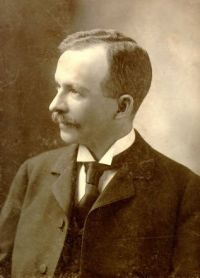
Charles W. Chesnutt

Charles W. Chesnutt

Summary

Portrait of Charles W. Chesnutt Charles W. Chesnutt The House Behind the Cedars — XIII (1900)

The judge sighed as he contemplated another
possibility. He had lived for seventy years under
the old regime. The young man was a gentleman
--so had been the girl's father. Conditions were
changed, but human nature was the same. Would
the young man's love turn to disgust and repulsion,
or would it merely sink from the level of worship
to that of desire? Would the girl, denied marriage,
accept anything less?
Source: Wikisource

Portrait of Charles W. Chesnutt Charles W. Chesnutt The House Behind the Cedars — XIII (1900)

If the judge had had sons and daughters of his
own, he might not have done what he now proceeded
to do. But the old man's attitude toward society
was chiefly that of an observer, and the narrow
stream of sentiment left in his heart chose to flow
toward the weaker party in this unequal conflict,
--a young woman fighting for love and opportunity
against the ranked forces of society, against
immemorial tradition, against pride of family and
of race.
Source: Wikisource

Get perspective with Kwize: daily news enlightened by great literature