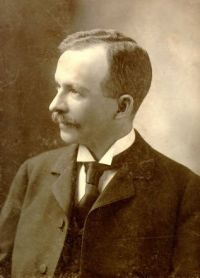
Charles W. Chesnutt

Charles W. Chesnutt

Summary

Portrait of Charles W. Chesnutt Charles W. Chesnutt The Marrow of Tradition — XX. (1901)

The spontaneous activity of the whites was accompanied by a visible shrinkage of the colored population. This could not be taken as any indication of guilt, but was merely a recognition of the palpable fact that the American habit of lynching had so whetted the thirst for black blood that a negro suspected of crime had to face at least the possibility of a short shrift and a long rope, not to mention more gruesome horrors, without the intervention of judge or jury.
Source: Wikisource

Portrait of Charles W. Chesnutt Charles W. Chesnutt The Marrow of Tradition — XX. (1901)

Mrs. Carteret was shocked beyond expression. Perhaps the spectacle of Dinah's unrestrained terror aided her to retain a greater measure of self-control than she might otherwise have been capable of. Giving the nurse some directions in regard to the child, she hastily descended the stairs, and seizing a hat and jacket from the rack in the hall, ran immediately with Dinah to the scene of the tragedy. Before the thought of this violent death all her aunt's faults faded into insignificance, and only her good qualities were remembered.
Source: Wikisource

Portrait of Charles W. Chesnutt Charles W. Chesnutt The Marrow of Tradition — XX. (1901)

Having been, for generations, trained up to thriftlessness, theft, and immorality, against which only thirty years of very limited opportunity can be offset, during which brief period they have been denied in large measure the healthful social stimulus and sympathy which holds most men in the path of rectitude, colored people might reasonably be expected to commit at least a share of crime proportionate to their numbers.
Source: Wikisource

Get perspective with Kwize: daily news enlightened by great literature