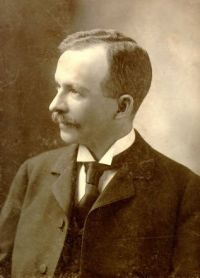
Charles W. Chesnutt

Charles W. Chesnutt

Summary

Portrait of Charles W. Chesnutt Charles W. Chesnutt The Marrow of Tradition — XXXIII. (1901)

At the next corner lay the body of another man, with the red blood oozing from a ghastly wound in the forehead. The negroes seemed to have been killed, as the band plays in circus parades, at the street intersections, where the example would be most effective. Miller, with a wild leap of the heart, had barely passed this gruesome spectacle, when a sharp voice commanded him to halt, and emphasized the order by covering him with a revolver.
Source: Wikisource

Portrait of Charles W. Chesnutt Charles W. Chesnutt The Marrow of Tradition — XXXIII. (1901)

What Miller shuddered at was not so much the thought of death, to the sight of which his profession had accustomed him, as the suggestion of what it signified. He had taken with allowance the wild statement of the fleeing fugitives. Watson, too, had been greatly excited, and Josh Green's group were desperate men, as much liable to be misled by their courage as the others by their fears; but here was proof that murder had been done,--and his wife and children were in the town. Distant shouts, and the sound of firearms, increased his alarm.
Source: Wikisource

Portrait of Charles W. Chesnutt Charles W. Chesnutt The Marrow of Tradition — XXXIII. (1901)

It ain't men like you that we're after, but the vicious and criminal class of niggers."
Miller smiled bitterly as he urged his horse forward. He was quite well aware that the virtuous citizen who had stopped him had only a few weeks before finished a term in the penitentiary, to which he had been sentenced for stealing. Miller knew that he could have bought all the man owned for fifty dollars, and his soul for as much more.
Source: Wikisource

Get perspective with Kwize: daily news enlightened by great literature