Buggy

Definition and stakes

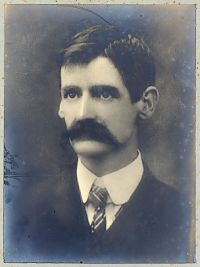
Portrait of Henry Yule Henry Yule,  Hobson-Jobson — B (1903)

“ The American buggy is defined by Noah Webster as "a light, one-horse, four-wheel vehicle, usually with one seat, and with or without a calash-top." Cuthbert Bede shows (N. & Q. 5 ser. v. p. 445) that the adjective 'buggy' is used in the Eastern Midlands for 'conceited.' This suggests a possible origin. "When the Hunterian spelling-controversy raged in India, a learned Member of Council is said to have stated that he approved the change until —— —— began to spell buggy as bagī. Then he gave it up."— (M.-G. Keatinge.) I have recently seen this spelling in print. ”
Source: Wikisource

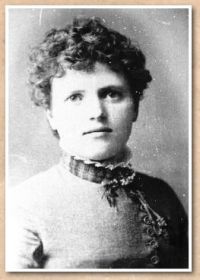
Portrait of Edith Wharton Edith Wharton,  Summer

“ The buggy was following the trail and making straight for the pine-wood through which she had climbed; and she knew at once that the driver was in search of her. Her first impulse was to crouch down under the ledge till he had passed; but the instinct of concealment was overruled by the relief of feeling that someone was near her in the awful emptiness. She stood up and walked toward the buggy.
Mr. Royall saw her, and touched the horse with the whip. A minute or two later he was abreast of Charity; their eyes met, and without speaking he leaned over and helped her up into the buggy.
”
Source: Gutenberg

John Henderson,  The West Indies

“ The{52} driver of the buggy, the buggyman, supplies the necessary enthusiasm to the horse and buggy alike. One instinctively feels that but for the elevating spirit of sublime optimism which the buggyman possesses to the fullest degree, the poor horse would drop dead and the vehicle would fall to bits. The buggyman ignores everything in life save possible customers. ”
Source: Gutenberg

Get perspective with Kwize: daily news enlightened by great literature