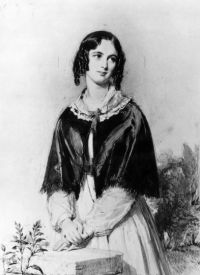
Charlotte M. Yonge

Charlotte M. Yonge

Summary

Portrait of Charlotte M. Yonge Charlotte M. Yonge The Two Sides of the Shield

Dolores looked her over. She was a good deal taller than herself, and had rich-looking shining brown hair, dark brown eyes full of merriment, and a bright rosy colour, and she danced on her active feet as if she were full of perpetual life. ‘All happy and not caring,’ thought Dolores.
‘Now don’t fash Miss Mohun with your tricks. She has stood like a lamb,’ said Mrs. Halfpenny reprovingly. ‘There, we’ll not keep her to find an apron.’
‘I don’t wear pinafores,’ said Mysie, ‘but I don’t mind pretty aprons like this. ‘Why, my sisters had them for tennis, before they went out to India.
Source: Gutenberg

Portrait of Charlotte M. Yonge Charlotte M. Yonge The Two Sides of the Shield

I cannot fancy dear Lady Merrifield being unkind to any one, especially a dear girl as good as an orphan,’ said Miss Hacket, who, if not the cleverest of women, was one of the best and most warm-hearted. ‘And, indeed, Connie, I don’t think dear Gillian and Mysie feel at all unkindly to their cousin.’
‘Ah! that’s just like you, Mary. You never see more than the outside, but then I am in dear Dolly’s confidence.’
‘What do you mean, Connie?’ said Miss Hacket, eagerly.
Source: Gutenberg

Portrait of Charlotte M. Yonge Charlotte M. Yonge The Two Sides of the Shield

As the clock struck one, a warning gong was heard; everybody jumped up, the work was folded away, and with the obeisance at the door, Gillian and Val ran away.
Mysie stayed a little longer, it being her turn to tidy the room; and Lady Merrifield said to Dolores—
‘I must teach you how to hold your needle tomorrow, my dear.’
‘I hate work,’ responded Dolores.
‘Val does not like it,’ said her aunt; ‘nor indeed did I at your age; but one cannot be an independent woman without being able to take care of one’s own clothes, so I resolved that these children should learn better than I did.
Source: Gutenberg

Get perspective with Kwize: daily news enlightened by great literature