Summary

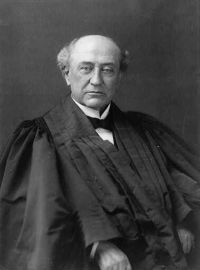
Portrait of David Josiah Brewer David Josiah Brewer Clyatt v. United States — Opinion of the Court

Justice Brown, delivering the opinion of the court, said;
'That it does not conflict with the 13th Amendment, which abolished slavery and involuntary servitude except as a punishment for crime, is too clear for argument. Slavery implies involuntary servitude,-a state of bondage; the ownership of mankind as a chattel, or at least the control of the labor and services of one man for the benefit of another, and the absence of a legal right to the disposal of his own person, property, and services.
Source: Wikisource

Portrait of David Josiah Brewer David Josiah Brewer Clyatt v. United States — Opinion of the Court

What Congress has power to do under one, it may not have power to do under the other. Under the 13th Amendment, it has only to do with slavery and its incidents. Under the 14th Amendment, it has power to counteract and render nugatory all state laws and proceedings which have the effect to abridge any of the privileges or immunities of citizens of the United States, or to deprive them of life, liberty, or property without due process of law, or to deny to any of them the equal protection of the laws.
Source: Wikisource

Portrait of David Josiah Brewer David Josiah Brewer Clyatt v. United States — Opinion of the Court

We have examined the testimony with great care to see if there was anything which would justify a finding of the fact, and can find nothing. No matter how severe may be the condemnation which is due to the conduct of a party charged with a criminal offense, it is the imperative duty of a court to see that all the elements of his crime are proved, or at least that testimony is offered which justifies a jury in finding those elements. Only in the exact administration of the law will justice in the long run be done, and the confidence of the public in such administration be maintained.
Source: Wikisource

Get perspective with Kwize: daily news enlightened by great literature