Summary

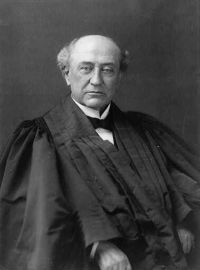
Portrait of David Josiah Brewer David Josiah Brewer Edward Clarke v. Larremore — Opinion of the Court

Whether the bankruptcy proceedings would then so far affect the judgment and execution, and that which was done under them, as to justify a recovery by the trustee in bankruptch from the execution creditor, is a question not before us, and may depend on many other considerations. It is enough now to hold that the bankruptcy proceedings seized upon the writ of execution while it was still unexecuted and released the property which was held under it from the claim of the execution creditor.
Source: Wikisource

Portrait of David Josiah Brewer David Josiah Brewer Edward Clarke v. Larremore — Opinion of the Court

The purchaser at the sheriff's sale might keep possession of the property which he had purchased, but the money received as the proceeds of such sale would undoubtedly belong and be paid over to the judgment debtor. The bankruptcy proceedings operated in the same way. They took away the foundation upon which the rights of the creditor, obtained by judgment, execution, levy, and sale, rested. The duty of the sheriff to pay the money over to the judgment creditor was gone and that money became the property of the bankrupt, and was subject to the control of his representative in bankruptcy.
Source: Wikisource

Get perspective with Kwize: daily news enlightened by great literature