Summary

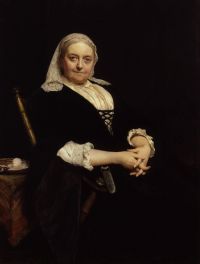
Portrait of Dinah Craik Dinah Craik John Halifax, Gentleman — Chapter XXXIV

I mean to be a man. Not the first man whom a lady has refused—eh?" And braving it out, he began to whistle; but the lips fell—the frank brow grew knotted with pain. The lad broke into a passion of misery.
The chief bitterness was that he had been deceived. Unwittingly, we well believed—but still deceived. Many little things he told me— Guy's was a nature that at once spent and soothed itself by talking— of Miss Silver's extreme gentleness and kindness towards him; a kindness which seemed so like, so cruelly like love.
"Love!—Oh, she loved me. She told me so. Of course!—I was Edwin's brother."
Source: Wikisource

Portrait of Dinah Craik Dinah Craik John Halifax, Gentleman — Chapter XXXIV

I think all parents must feel cruelly a pang like this—the first trouble in which they cannot help their children—the first time when those children must learn to stand alone, each for himself, compelled to carry his own burthen and work out, well or ill, his individual life. When the utmost the wisest or tenderest father can do, is to keep near with outstretched hand that the child may cling to, assured of finding sympathy, counsel, and love.
Source: Wikisource

Portrait of Dinah Craik Dinah Craik John Halifax, Gentleman — Chapter XXXIV

But she saw that Guy was right. To expect him to remain at home was cruelty. As he had said, he could not bear it—few could. Few even among women—of men much fewer. One great renunciation is possible, sometimes easy, as death may be; but to "die daily?" In youth, too, with all the passions vehement, the self-knowledge and self-control small? No; Nature herself, in that universal desire to escape, which comes with such a trial, hints at the unnaturalness of the ordeal; in which, soon or late, the weak become paralysed or callous; the strong—God help them!—are apt to turn wicked.
Source: Wikisource

Get perspective with Kwize: daily news enlightened by great literature