Summary

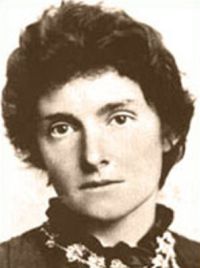
Portrait of E. Nesbit E. Nesbit Grim Tales — The Ebony Frame (1893)

THE EBONY FRAME.
To be rich is a luxurious sensation—the more so when you have plumbed the depths of hard-up-ness as a Fleet Street hack, a picker-up of unconsidered pars, a reporter, an unappreciated journalist—all callings utterly inconsistent with one's family feeling and one's direct descent from the Dukes of Picardy.
When my Aunt Dorcas died and left me seven hundred a year and a furnished house in Chelsea, I felt that life had nothing left to offer except immediate possession of the legacy. Even Mildred Mayhew, whom I had hitherto regarded as my life's light, became less luminous.
Source: Wikisource

Portrait of E. Nesbit E. Nesbit Grim Tales — The Ebony Frame (1893)

Then I stepped back resolutely, and looked up at the picture. The ebony frame was empty! From the shadow of the worked chair came a silken rustle, and out of the shadow the woman of the picture was coming—coming towards me.
I hope I shall never again know a moment of terror so blank and absolute. I could not have moved or spoken to save my life. Either all the known laws of nature were nothing, or I was mad. I stood trembling, but, I am thankful to remember, I stood still, while the black velvet gown swept across the hearthrug towards me.
Source: Wikisource

Portrait of E. Nesbit E. Nesbit Grim Tales — The Ebony Frame (1893)

Every stick of my aunt's furniture was destroyed. My friends pointed out that, as the furniture was heavily insured, the carelessness of a nightly-studious housemaid had done me no harm.
No harm!
That was how I won and lost my only love.
I deny, with all my soul in the denial, that it was a dream. There are no such dreams. Dreams of longing and pain there are in plenty, but dreams of complete, of unspeakable happiness—ah, no—it is the rest of life that is the dream.
But if I think that, why have I married Mildred, and grown stout and dull and prosperous?
Source: Wikisource

Get perspective with Kwize: daily news enlightened by great literature