Summary

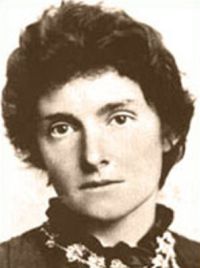
Portrait of E. Nesbit E. Nesbit Madeline, or, the Deed in the Wood (1907)

There is always a moment when the hero looks out over the landscape of whatever county he happens to be born in and the ready tears spring unbidden to his eyes. Nothing sprang to Clifford’s eyes, but an idea sprang to his brain.
Hastily remarking “Got it!” he tore down stairs, found the others, and proposed a picnic in the woods. He unfolded the Deed to each of the others separately, and every time he unfolded it it looked better and brighter. Olive was the only one who didn’t see its betterness and brighterness slap off. But she came round and owned that it might be a lesson to Madeline.
Source: Wikisource

Portrait of E. Nesbit E. Nesbit Madeline, or, the Deed in the Wood (1907)

To pop her back through the trap-door was the work of a moment. She fell on the tight-spread damask top of the four-poster. Clifford joined her there, and it was like being in a blanket just before you are tossed. The uncertainness of the damask would not let you stand up. I don’t know how I got her off—but I did, and on to the Tallboys. It’s as easy as winking to get off a Tallboys—you just walk down by the handles. Not so the ill-fated Madeline.
Source: Wikisource

Portrait of E. Nesbit E. Nesbit Madeline, or, the Deed in the Wood (1907)

We put the donkey in the cart too.
Then Madeline said: “Auntie said I ought to play tricks and be jolly and try to be more like you. I thought putting worms in beds was just the sort of trick you'd do yourself.”
“It’s not the beastly worms,” said Clifford, “it’s your being such a measly little sneak. Every single thing that happens you go and blab to Mother. You're a tell-tale-tit if ever there was one.”
“Oh, how I hate you!” Madeline then remarked with fury. “I wish you were all dead. I always tell mother everything.
Source: Wikisource

Get perspective with Kwize: daily news enlightened by great literature