Summary

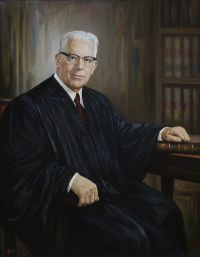
Portrait of Earl Warren Earl Warren Culombe v. Connecticut — Concurrence

This is the 'evil' to be feared from contact between a police suspect and his lawyer.
Interrogation of people by the police is an indispensable aspect of criminal investigations. But there is no right to interrogate-by the police any more than by the courts-when the privilege against self-incrimination is invoked. Knowing this, the police have set up in its place a system of administrative detention that has no constitutional justification. It is detention incommunicado, a system which breeds oppression.
Source: Wikisource

Portrait of Earl Warren Earl Warren Culombe v. Connecticut — Concurrence

From the lawyer's point of view both are statements of the obvious. Just as an accused or suspect is never obliged to talk, so the police are always at liberty to take down what an accused or suspect says and give it in evidence. The real significance of the caution is that it is, so to speak, a declaration of war. By it the police announce that they are no longer representing themselves to the man they are questioning as the neutral inquirer whom the good citizen ought to assist; they are the prosecution and are without right, legal or moral, to further help from the accused
Source: Wikisource

Portrait of Earl Warren Earl Warren Culombe v. Connecticut — Concurrence

The flow of cases coming here shows that detention incommunicado is often accompanied by illegality and brutality. The arrival of an attorney is a specific against these proscribed practices.
If this accused were a son of a wealthy or prominent person, and demanded a lawyer, can there be any doubt that his request would have been heeded? But petitioner has no social status. He comes from a lowly environment. No class or family is his ally.
Source: Wikisource

Get perspective with Kwize: daily news enlightened by great literature