Summary

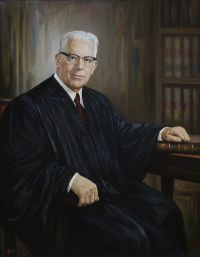
Portrait of Earl Warren Earl Warren Fikes v. Alabama — Opinion of the Court

Standing alone, the State's evidence establishes that the confessions in the present case were not voluntary within the meaning of the decisions of this Court.
Here the prisoner was an uneducated Negro, certainly of low mentality, if not mentally ill. He was first arrested by civilians, lodged in jail, and then removed to a state prison far from his home. We do not criticize the decision to remove the prisoner before any possibility of violence might mature, but petitioner's location and the conditions of his incarceration are facts to be weighed in connection with the issue before us.
Source: Wikisource

Portrait of Earl Warren Earl Warren Fikes v. Alabama — Opinion of the Court

About midnight on May 16, 1953, petitioner was apprehended in an alley in a white neighborhood in Selma by private persons, who called the police. The officers jailed him 'on an open charge of investigation.' The next day, a Sunday, the questioning that led to the challenged confessions began. It is, of course, highly material to the question before this Court to ascertain petitioner's character and background. He is a Negro, 27 years old in 1953, who started school at age eight and left at 16 while still in the third grade.
Source: Wikisource

Get perspective with Kwize: daily news enlightened by great literature