Summary

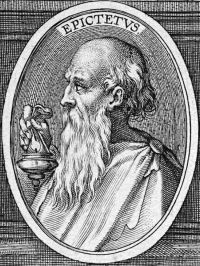
Portrait of Epictetus Epictetus Epictetus, the Discourses as reported by Arrian… (1925)

But you ought, when staying alone, to call that peace and freedom, and to look upon yourself as like the gods; and when you are in the company of many, you ought not call that a mob, nor a tumult, nor a disgusting thing, but a feast and a festival, and so accept all things contentedly.
What, then, is the punishment of those who do not accept? To be just as they are. Is one peevish because he is alone?
Source: Wikisource

Portrait of Epictetus Epictetus Epictetus, the Discourses as reported by Arrian… (1925)

Far from it; for madness and freedom are not consistent with one another. "But I would have that which seems best to me happen in every case, no matter how it comes to seem so." You are mad; you are beside yourself. Do you not know that freedom is a noble and precious thing? But for me to desire at haphazard that those things should happen which have at haphazard seemed best to me, is dangerously near being, not merely not noble, but even in the highest degree shameful.
Source: Wikisource

Portrait of Epictetus Epictetus Epictetus, the Discourses as reported by Arrian… (1925)

Again, supposing that you were ignorant of the purpose for which you possess the faculty of vision, you would be unfortunate and wretched if you closed your eyes when men brought some colour before them; but in that you have greatness of mind and nobility for use for everyone of the things may happen to you, and know it not, are you not yet more unfortunate and wretched?
Source: Wikisource

Get perspective with Kwize: daily news enlightened by great literature