Summary

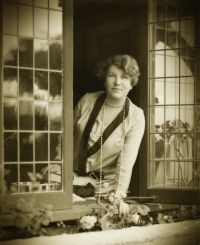
Portrait of Ethel Turner Ethel Turner Seven Little Australians — XIX … (1912)

Meg stretched out her hand for it, but he untied the bow and folded it slowly round his big hand.
"May I keep it?" he said in a low voice. "For my blue ribbon? I know the conditions that attach."
"If you would—oh, if you would!" Meg breathed rather than said. Then Judy galloped up and they rode home three abreast. It was such happiness to her all the hot, long days that followed; to a girl just entering life there can be no purer, deeper feeling of pleasure than that brought by the knowledge that she is influencing for good some man or woman older than herself, more sin-worn and earth-wearied.
Source: Wikisource

Portrait of Ethel Turner Ethel Turner Seven Little Australians — XIX … (1912)

Don't be too hard on them. Don't make an effort to show them the difference between your whiteness and their blackness. They will see it right enough, but they won't like you to draw their attention to it. Try and look gentle and forgiving—they'll feel quite as miserable as you could wish them to feel. The world has a beautiful frown of its own, and an endless vocabulary of cold words—wouldn't it do if the little sisters left it the monopoly of them?"
"Oh-h-h!" said Meg.
Source: Wikisource

Portrait of Ethel Turner Ethel Turner Seven Little Australians — XIX … (1912)

And Meg, because wickedness was abhorrent to her, threw a few more little stones, so that the pain might teach him a lesson he could not forget. And Judy, because he was her brother and in trouble, flung her arms round him and encouraged him, and helped him to fight the world again, and gave him never a hard word or look, thinking he had had plenty. Which sister's influence would be greater, Miss Meg?
Source: Wikisource

Get perspective with Kwize: daily news enlightened by great literature