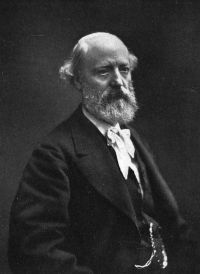
 Eugène Viollet-le-Duc,
Dictionary of French Architecture from the 11th to 16th Century…
Eugène Viollet-le-Duc,
Dictionary of French Architecture from the 11th to 16th Century…
“ LOGE (literally: "cabin") Part or portion of gallery, dependent on a public or private building, high above external ground-level and opening largely on the outside, without windows or closings with residence. The loge resembles on the one hand the gantry, other with the bretèche; however it should be distinguished from these two members of architecture. The loge differs from the gantry in what it is high above the public highway, has a particular entry and that its length is limited, while the gantry is a covered gallery of which the length is unspecified. ”
