Summary

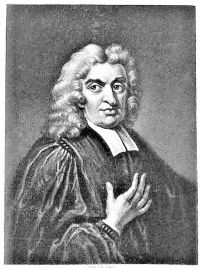
Portrait of Francis Blomefield Francis Blomefield History of Norfolk — Chapter 41

CHAPTER XLI. OF THE CATHEDRAL CHURCH, AND ITS PRECINCT The present cathedral is a fine Gothick freestone building, brought to that magnificence we now see it in, at several times and in different ages, by the great care and industry of its many worthy benefactors; Bishop Herbert, its original founder, laid the first foundation stone in 1096, in the place where afterwards was made the chapel of the Blessed Virgin of Pity, and there he erected an altar in honour of our Saviour; and Hubert de Rhye, one of his barons, a devotee to the Holy Land, laid the second stone
Source: Wikisource

Portrait of Francis Blomefield Francis Blomefield History of Norfolk — Chapter 41

A plate of this monument, dedicated to William Croft, master in musick of the King's royal chapel, may be seen in the Repertorium.
Here William Inglott, Organist doth rest, Whose Art in Musick, this Cathedral blest; For Descant most, for Voluntary all, He past, on Organ, Song, and Virginall; He left this Life at Age of sixty seven, And now 'mongst Angells all, sings St. in Heaven, His Fame flies far, his Name shall never die, See Art and Age, here crown his Memorie.
Source: Wikisource

Portrait of Francis Blomefield Francis Blomefield History of Norfolk — Chapter 41

This image of the Trinity was, in the then too usual but profane manner, the Almighty Father, whom the heavens, and the heaven of heavens, are not able to contain, being blasphemously represented by a weak old man; the Blessed Redeemer on the cross, between his knees, and the Eternal Spirit, by a dove, on his breast.
Here also were kept the holy relicks, (as they were called,) among which the most remarkable, was a portion of the blood of the Blessed Virgin Mary, mentioned by Mr. Fox, to which many came in pilgrimage, and made their offerings, for which the sacrist annually accounted.
Source: Wikisource

Get perspective with Kwize: daily news enlightened by great literature