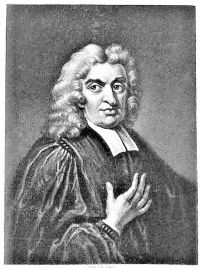
Francis Blomefield

Francis Blomefield

History of Norfolk/Volume 5 (2008 djvu of book published 1805 (dated 1806), written ~1736)

Summary

Portrait of Francis Blomefield Francis Blomefield History of Norfolk/Volume 5 (2008 djvu of book published 1805 (dated 1806), written ~1736)

He was free from covetousness, and so much above a bribe of gratuity (for favours done) as no person ever durst tempt him with one. He was in his religion no bigot or Puritan, and professed more to affect moral virtues, than nice questions and foolish controversies: if he was defective in any thing, it was that he could not bring his mind to his fortune, which though very great, was far too little for the vastness of his noble designs, which were only for the glory and ornament of his country, and may well be excused.
Source: Wikisource

Portrait of Francis Blomefield Francis Blomefield History of Norfolk/Volume 5 (2008 djvu of book published 1805 (dated 1806), written ~1736)

Giles's hospital in mortmain, to find a chaplain (being no brother of the hospital) to live as a brother in it, who was daily to say mass, and pray for the soul of Master John de Derlington, late archdeacon of Norwich, and all his family, and for Roger Prat, clerk, late master, and Will. Paston of Paston, and all the deceased, allowing him a good stipend, chamber, and clothing; and it continued till the Dissolution in that hospital, and then passed with the hospital and its revenues, to the corporation of the city of Norwich, to whom the manor now belongs.
Source: Wikisource

Portrait of Francis Blomefield Francis Blomefield History of Norfolk/Volume 5 (2008 djvu of book published 1805 (dated 1806), written ~1736)

Sir Robert de Creke much augmented his estate, by marrying one of the heiresses of the Glanvilles family; after whose death, he married again; for in 1233, Richemeia his widow, was lady of the manor, which she then resigned to Sir Bartholomew de Creke, her son, who married Margery daughter of Jeffery Harnes, widow of Le Clerk, who survived him, and was lady in 1251, and in that year, resigned all her right in this manor and those of NorthCreke, Combes, and Flixton in Suffolk, to Robert de Creke, her eldest son and heir
Source: Wikisource

Get perspective with Kwize: daily news enlightened by great literature