Summary

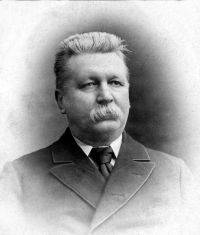
Portrait of George McCall Theal George McCall Theal History of South Africa from 1873 to 1884… (1919)

The contrast is great between the Cape flats as a dreary waste of drifting sand and a succession of little farms with comfortable houses and hard roads, with screens of trees and green fields and gardens, with even a railway to convey produce to market as is seen to-day, and it depicts what can be effected in South Africa by the industry and; patience of such men and women as these immigrants.
Source: Wikisource

Portrait of George McCall Theal George McCall Theal History of South Africa from 1873 to 1884… (1919)

In 1873 the territory between the river Kei and the colony of Natal was occupied by a number of tribes independent of each other, among whom war was almost constant. The British government had disclaimed authority over them all, but some of them—particularly the Fingos and the different clans that had been located by Major Gawler at Idutywa—refused to be abandoned, and looked to the Cape colonial government for protection, without which they could not exist.
Source: Wikisource

Portrait of George McCall Theal George McCall Theal History of South Africa from 1873 to 1884… (1919)

The Xosas, like all other Bantu, are of mixed blood, and among their ancestors must have been Asiatics of high intelligence. The men here named may have owed their qualities to atavism, but even if so, they serve as models for their people to work up to, and in course of time an elevation must take place. If by any mischance they were left to themselves they would not advance, but with civilisation facing them and the leaven of a higher life working in the minds of some of themselves, they must conform to the law of progress.
Source: Wikisource

Get perspective with Kwize: daily news enlightened by great literature