Summary

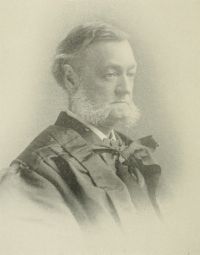
Portrait of George Shiras, Jr. George Shiras, Jr. First National Bank of Aberdeen v…

The main purpose, therefore, of congress, in fixing limits to state taxation on investments in the shares of national banks, was to render it impossible for the state, in levying such a tax, to create and foster an unequal and unfriendly competition, by favoring institutions or individuals carrying on a similar business and operations and investments of a like character.
Source: Wikisource

Portrait of George Shiras, Jr. George Shiras, Jr. First National Bank of Aberdeen v…

So far as the policy of the government in reference to national banks is concerned, it is indifferent how the states may choose to tax such corporations as those just mentioned, or the interest of individuals in them, or whether they should be taxed at all. Whether property interests in railroads, in manufacturing enterprises, in mining investments and others of that description are taxed or exempted from taxation, in the contemplation of the law, would have no effect upon the success of national banks.
Source: Wikisource

Portrait of George Shiras, Jr. George Shiras, Jr. First National Bank of Aberdeen v…

Credits, moneys loaned at interest, and demands against persons or corporations, are more purely representative of moneyed capital than personal property, so far as they can be said to differ. Undoubtedly, there may be said to be much personal property exempt from taxation without giving bank shares a right similar exemption, because personal property is not necessarily moneyed capital. But the rights, credits, demands, and money at interest mentioned in the Indiana statute, from which bona fide debts may be deducted, all mean moneyed capital invested in that way.
Source: Wikisource

Get perspective with Kwize: daily news enlightened by great literature