Summary

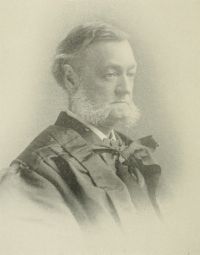
Portrait of George Shiras, Jr. George Shiras, Jr. Manson v. Duncanson — Opinion of the Court

If the purchaser was responsible for the mistakes of the court, in point of fact, after they had adjudicated upon the facts, and acted upon them, these sales would be snares for honest men. The purchaser is not bound to see whether the court was mistaken in the facts of debts and children. The decree of the orphans' court in a case within its jurisdiction is reversible only on appeal, and not collaterally in another suit. When a court has jurisdiction, it has a right to decide every question that may arise in the cause
Source: Wikisource

Portrait of George Shiras, Jr. George Shiras, Jr. Manson v. Duncanson — Opinion of the Court

That the court had jurisdiction to decree the sale of real estate to pay the debts of a deceased debtor and owner is undeniable. The bill contained averments that the complainant was a creditor of the estate of Sarah J. Manson; that the decedent had died intestate as to her real estate situated in the city of Washington and District of Columbia; that the personal estate was inadequate to pay the debts of the decedent; that the decedent, at the time of her decease, was seised of described real estate.
Source: Wikisource

Portrait of George Shiras, Jr. George Shiras, Jr. Manson v. Duncanson — Opinion of the Court

Stewart, 93 U.S. 155, the question was whether the creditors of an insolvent firm, in whose favor a deed of trust had been executed by the firm, were bound by a decree against the trustee; and this court held that, 'where a trustee is invested with such powers that his beneficiaries are bound by what is done against him or by him, they are not necessary parties to a suit against him by a stranger to defeat the trust in whole or in part.
Source: Wikisource

Get perspective with Kwize: daily news enlightened by great literature