Summary

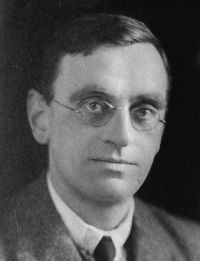
Portrait of H. C. Bailey H. C. Bailey The Pageant of England — V. The Merry King (1908)

Mrs. Gwyn felt her tremble. The King laughed. “I want you to help my brother,” said the child. “Will you?”
“Ods fish, fairies are mighty human,” the King sneered. “Nell, when you meet a soul that wants nothing of you, kneel down and pray, for sure that will be God.”
“Odso, I doubt He wants most of all,” quoth Mrs. Gwyn.
The King's brow grew sombre. He came to the child, and took her chin in his fingers. “Is your brother an elf like you?”
At his touch she cried out, “Diccon, Diccon!” as though for help, and Dick Craddock won through the little throng to the King.
Source: Wikisource

Portrait of H. C. Bailey H. C. Bailey The Pageant of England — V. The Merry King (1908)

At the end of the gallery two gentlemen were in earnest. The one had the pale face of a corpse and eyes like a cat's for brightness and shape. Even the Court painters of the day have not been able to rob him of his look of masterful greed. He was modestly clad, for that gaudy company, in black and silver. The other was not so rare. A full-bodied creature of red face, he yielded to no man for the splendour of his dress or the dull eye and skin of debauchery. So you see my Lord Lewknor and the Lord Chief Justice, Sir William Scroggs.
Source: Wikisource

Portrait of H. C. Bailey H. C. Bailey The Pageant of England — V. The Merry King (1908)

He sighed again and turned away to study Poussin's notion of the way in which the Virgin nursed her Child.
There was no lack of light in the Stone Gallery. The King loved a glare, and the women knew how to make their profit of it. They gleamed like polished marble, and glittering brown ringlets challenged glossy black, and red languorous lips breathed rival perfumes on the hot air. The King was tying a new bow in the ribands at the Duchess of Portsmouth's bosom, and let his long fingers dally while he listened to the virginals and a boy's song.
Source: Wikisource

Get perspective with Kwize: daily news enlightened by great literature