Summary

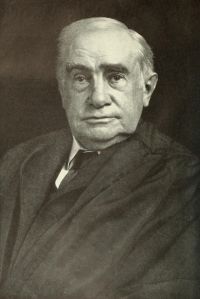
Portrait of Henry Billings Brown Henry Billings Brown Union Pacific Railway Company v…

While we do not undertake to say that a railroad company may not justify a fixed rebate in favor of a particular shipper by showing a liquidated indebtedness to such shipper, which the allowance of the rebate was intended to settle, it would practically emasculate the law of its most healthful feature to permit an unexplained, indefinite, and unadjusted claim for damages arising from a tort, which, though litigated for some time, never seems to have been prosecuted to a final determination in the courts, to be put forward as an excuse for a clear discrimination in rates.
Source: Wikisource

Portrait of Henry Billings Brown Henry Billings Brown Union Pacific Railway Company v…

It is a sufficient reply to the whole defense set up in this part of the answer to say that the coal company was only to be allowed a rebate of 40 cents per ton in case it furnished the railroad company 200,000 tons per year for transportation, and there is no allegation in the answer that it ever did furnish this amount, or ever became entitled to the rebate. The want of such allegation is fatal to the contract as a defense, and the court, for this reason, if for no other, was right in sustaining the demurrer.
Source: Wikisource

Portrait of Henry Billings Brown Henry Billings Brown Union Pacific Railway Company v…

Plaintiffs' evidence had shown that the Marshall Company had been receiving a rebate upon all coal transported by it to Denver, which was not allowed to its competitors in business, and the damages sustained by the plaintiffs were measured by the amount of such rebate, which should have been allowed to them. The question whether they lost profits upon the sale of their coal by reason of the nonallowance of such rebates was too remote to be made an element of their damages.
Source: Wikisource

Get perspective with Kwize: daily news enlightened by great literature