“ Call him 'Boss'. Say 'Good-day, Boss,' when you go in, and swing down your swag as if you're used to it. Ease it down like this. Then straighten yourself up, stick your hat back, and wipe your forehead, and try to look as hearty and independent and cheerful as you possibly can. Curse the Government, and say the country's done. It don't matter what Government it is, for he's always against it. I never knew a real Australian that wasn't. Say that you're thinking about trying to get over to Australia, and then listen to him talking about it—and try to look interested, too! ”
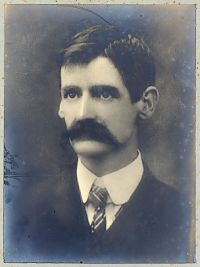
Henry Lawson
Summary
Published in 1900, On the Track is a collection of short stories by Henry Lawson, compiling nineteen tales—many previously published in Australian journals—centered on the rugged realities of bush life. Themes of camaraderie, shearers’ struggles, and the harshness of rural existence permeate stories like Bill, the Ventriloquial Rooster and Mitchell on Matrimony, with characters such as the grizzled Jack Ellis and the pragmatic Mitchell navigating sordid landscapes of sheds, huts, and swagmen.
While praised for its vivid bush sketches, the collection faced criticism for its repetitive focus on the “unlovely” aspects of colonial life, reflecting Lawson’s unflinching, if occasionally weary, portrayal of Australia’s frontier ethos.
Quotes from On the Track (Henry Lawson)
“ Two oblong huts—one for the shearers and one for the rouseabouts—in about the centre of the clearing (as if even the mongrel scrub had shrunk away from them) built end-to-end, of weatherboards, and roofed with galvanised iron. Little ventilation; no verandah; no attempt to create, artificially, a breath of air through the buildings. Unpainted, sordid—hideous. Outside, heaps of ashes still hot and smoking. Close at hand, “butcher's shop”—a bush and bag breakwind in the dust, under a couple of sheets of iron, with offal, grease and clotted blood blackening the surface of the ground about it. ”
“ Well, while doing the block you run against an old mate of other days—VERY other days—call him Jack Ellis. Things have gone hard with Jack. He knows you at once, but makes no advance towards a greeting; he acts as though he thinks you might cut him—which, of course, if you are a true mate, you have not the slightest intention of doing. His coat is yellow and frayed, his hat is battered and green, his trousers “gone” in various places, his linen very cloudy, and his boots burst and innocent of polish. ”
