Summary

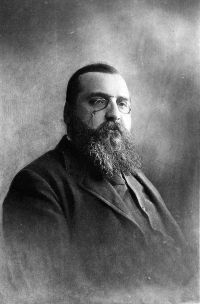
Portrait of Henry Morse Stephens Henry Morse Stephens 1911 Encyclopædia Britannica, Volume 17… (1911)

Side by side with this public life, which wearied her with its shadowy power, occasionally crossed by a desire to be recognised as queen, she passed a nobler and sweeter private existence as the foundress of St Cyr. Mme de Maintenon was a born teacher; she had so won the hearts of her first pupils that they preferred her to their own mother, and was similarly successful later with the young and impetuous duchess of Burgundy, and she had always wished to establish a home for poor girls of good family placed in such straits as she herself had experienced.
Source: Wikisource

Portrait of Henry Morse Stephens Henry Morse Stephens 1911 Encyclopædia Britannica, Volume 17… (1911)

On or even before her husband’s death she retired to St Cyr, and had the chagrin of seeing all her plans for the advancement of the duke of Maine overthrown by means of the parliament of Paris. However, the regent Orleans in no way molested her, but, on the contrary, visited her at St Cyr and continued her pension of 48,000 livres. She spent her last years at St Cyr in perfect seclusion, but an object of great interest to all visitors to France, who, however, with the exception of Peter the Great, found it impossible to get an audience with her.
Source: Wikisource

Portrait of Henry Morse Stephens Henry Morse Stephens 1911 Encyclopædia Britannica, Volume 17… (1911)

The later years of her power were marked by the promotion of her old pupils, the children of the king and Mme de Montespan, to high dignity between the blood royal and the peers of the realm, and it was doubtless under the influence of her dislike for the duke of Orleans that the king drew up his will, leaving the personal care of his successor to the duke of Maine, and hampering the duke of Orleans by a council of regency.
Source: Wikisource

Get perspective with Kwize: daily news enlightened by great literature