Summary

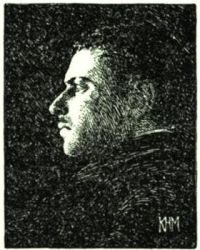
Portrait of Henry W. Shoemaker Henry W. Shoemaker The Black Moose in Pennsylvania

The moose stood for all that was biggest, noblest and best in Indian life, it typified all outdoors, the grand free scope of the wilderness. To single out such a splendid animal for slaughter, while all around were myriads of deer, herds of elk, companies of bears and countless smaller game, seemed to the Indian mind, with its Mosaic sense of justice, almost a sacrilege. Consequently the moose were never killed unless in dire necessity, or in the later days of the Indian race when they were desperate and had lost many of their former ideals.
Source: Gutenberg

Portrait of Henry W. Shoemaker Henry W. Shoemaker The Black Moose in Pennsylvania

Homeless, drunken savages were out of touch with the high principles of the past; they wanted to kill just as their white corrupters were doing. Young Jacob was like an echo from the past, a past so distant that it hardly seemed possible ever to have existed. And once in a great while Young Jacob argued with white men on the impropriety of wasting wild life. Sport, as defined by the Indians, meant harmless pleasure, physical exercise, feats of skill, fun, the chase, but never wanton destruction of any gift of the Great Spirit.
Source: Gutenberg

Portrait of Henry W. Shoemaker Henry W. Shoemaker The Black Moose in Pennsylvania

The hunter, who reloaded his gun deftly, let the moose get within a few feet of him, when he fired again, but the big brute had been already mortally wounded, and fell without the aid of the second shot. With a sound like a falling pine the Original crashed to the earth, lying dead among the ferns and hazel bushes, his wide-spreading palmated antlers stretching out on either side like the knives of a reaper. Planting one foot on the dead animal's swarthy proboscis, the white man struck a silly attitude.
Source: Gutenberg

Get perspective with Kwize: daily news enlightened by great literature