Summary

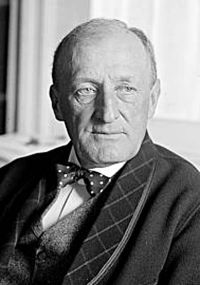
Portrait of James Clark McReynolds James Clark McReynolds Craig v. Hecht U S — Opinion of the Court

That of course a court may and should use as fully as needed, but this, especially if it is to be extended by decisions to which I cannot agree, makes a man judge in matters in which he is likely to have keen personal interest and feeling although neither selfprotection nor the duty of going on with the work requires him to take such a part. It seems to me that the statute on its face plainly limits the jurisdiction of the judge in this class of cases to those where his personal action is necessary in a strict sense in order to enable him to go on with his work.
Source: Wikisource

Portrait of James Clark McReynolds James Clark McReynolds Craig v. Hecht U S — Opinion of the Court

The remedy of the judge as an individual is by action or prosecution for libel. If, however, the publication is intended and calculated to obstruct and embarrass the court in a pending proceeding in the matter of the rendition of an impartial verdict, or in the carrying out of its orders and judgment, the court may, and it is its duty to protect the administration of justice by punishment of the offender for contempt.
Source: Wikisource

Portrait of James Clark McReynolds James Clark McReynolds Craig v. Hecht U S — Opinion of the Court

If the publication criticizes the judge or court after the matter with which the criticism has to do has been finally adjudicated and the proceedings are ended so that the carrying of the court's judgment cannot be thereby obstructed, the publication is not contempt and cannot be summarily punished by the court however false, malicious or unjust it may be.
Source: Wikisource

Get perspective with Kwize: daily news enlightened by great literature