Summary

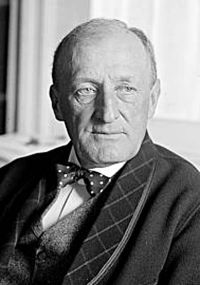
Portrait of James Clark McReynolds James Clark McReynolds Smith v. Third National Exchange Bank of Sandusky Ohio…

It is a sufficient defense to such a proceeding to show that the lands inclosed were not public lands of the United States, or that defendant had claim or color of title, made or acquired in good faith, or an asserted right thereto, by or under claim made in good faith, with a view to entry thereof at the proper land office under the general laws of the United States.
Source: Wikisource

Portrait of James Clark McReynolds James Clark McReynolds Smith v. Third National Exchange Bank of Sandusky Ohio…

In 1909, when the deed to Smith was executed by Reinhart, a bill was pending before Congress to validate the titles of the bona fide claimants to said lands, so found to be without the limits of the confirmed survey.'
'Said lands were for many years, before and after the Mexican cession to the United States, in good faith considered to be a part of the Refugio Colony grant, a Mexican community grant, and were so held in good faith, by the owners of the said grant
Source: Wikisource

Portrait of James Clark McReynolds James Clark McReynolds Smith v. Third National Exchange Bank of Sandusky Ohio…

Recovery was resisted upon the ground that although Smith was in actual possession of the lands under deed from Reinhart, they belonged to the United States and were unlawfully in the vendor's possession when so conveyed without bona fide claim or color of title, contrary to the Act of Congress approved February 25, 1885 (23 Stat. at L. 321, chap. 149, Comp. Stat. 1916, § 4997)
Source: Wikisource

Get perspective with Kwize: daily news enlightened by great literature