Summary

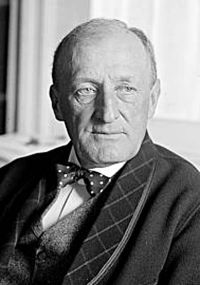
Portrait of James Clark McReynolds James Clark McReynolds United States v. Powers (305 U.S. 527…

Adoption by the Secretary of plans for irrigation projects to serve certain lands was not enough to indicate a purpose to exclude all other land from participation in essential water and thereby destroy the equal interest guaranteed by the Treaty. Subsequent allotments for farming followed by patents negative any such notion. The patented lands had no value for agriculture without water; they were selected for homes and individual farming.
Source: Wikisource

Portrait of James Clark McReynolds James Clark McReynolds United States v. Powers (305 U.S. 527…

That prior to 1885, the United States commenced construction of irrigation works intended to divert waters from the streams in question. These gradually developed into a system normally capable of carrying sufficient water to irrigate 20,000 acres. [2] None of respondents' lands lie within the ambit of these projects; and neither the original allotments nor the patents specifically granted the use of any water.
That Congress gave the Secretary of the Interior control of Reservation waters.
Source: Wikisource

Portrait of James Clark McReynolds James Clark McReynolds United States v. Powers (305 U.S. 527…

It provides that whenever an individual Indian desires 'to commence farming' he may select land, under stated conditions, which thereupon shall 'cease to be held in common, but the same may be occupied and held in the exclusive possession of the person selecting it, and of his family, so long as he or they may continue to cultivate it.' Also-'The President may at any time order a survey of the reservation, and, when so surveyed, Congress shall provide for protecting the rights of settlers in their improvements, and may fix the character of the title held by each.
Source: Wikisource

Get perspective with Kwize: daily news enlightened by great literature