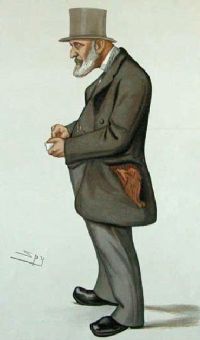
James Edwin Thorold Rogers

James Edwin Thorold Rogers

Summary

Portrait of James Edwin Thorold Rogers James Edwin Thorold Rogers The Story of Nations - Holland… (1886)

The wealth of these burghers was the strength and wealth of their counts, and many a European sovereign was far less securely opulent than these many potentates were who occupied a country which was collectively smaller than any European kingdom.
The dukes and counts of the Netherlands were not slow to discern that the prosperity of their subjects was a matter of profound interest to the nobles, and that the concession of privileges would be a plentiful source of riches and strength to themselves. The communities became practically little republics.
Source: Wikisource

Portrait of James Edwin Thorold Rogers James Edwin Thorold Rogers The Story of Nations - Holland… (1886)

The nobles began to see that voluntary grants, and the regular payment of dues from prosperous towns were a more certain source of income than the plunder of impoverished peasants and burghers, and the rapine of what was left to the miserable. Commercial prosperity constantly appears to accompany war, though re-action is sure to supervene.
Source: Wikisource

Portrait of James Edwin Thorold Rogers James Edwin Thorold Rogers The Story of Nations - Holland… (1886)

The period of the Crusades, in which the Flemish counts took a notable part, was the beginning of a new epoch. The tide of human emigration flowed back for a time from the west to the east, not in the permanent form of a race settlement, but in the transient one of armed hosts seeking one spot by land or sea. The Crusades gave an enormous impulse to trade, and enriched the commercial cities of Italy, such as Venice, Genoa, Pisa, and Florence.
Source: Wikisource

Get perspective with Kwize: daily news enlightened by great literature