Summary

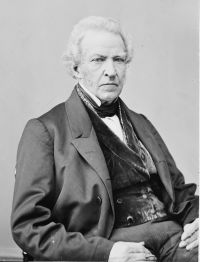
Portrait of James Moore Wayne James Moore Wayne Wetmore v. United States — Opinion of the Court

Rank of itself, in every service, is a good ground for a distinction in pay: and though it has not been followed, or has rather been abandoned in ours, in favour of the brevet rank of officers in the line and staff, it should be presumed to apply to persons having rank, and those who have none. Cavalry pay, then, having been claimed on the ground of equal grade in the staff, the fact being otherwise; nothing is left to sustain the claim.
But it will be asked, by what considerations is it determined that the pay and emoluments of paymasters are those of a major of infantry?
Source: Wikisource

Portrait of James Moore Wayne James Moore Wayne Wetmore v. United States — Opinion of the Court

Certainly it should not be tortured to mean a major of one of the arms of defence or kinds of regiment, of which there is none in the army. When the act of 1816 was passed, cavalry did not form a part of the army; consequently no such rank as major of cavalry existed, by which the pay of paymasters could have been graduated. But it was urged in argument, that there was such a thing as the pay of a major of cavalry, subsisting in legal contemplation. There was; but for no other purpose than as giving the standard of pay to certain staff officers.
Source: Wikisource

Portrait of James Moore Wayne James Moore Wayne Wetmore v. United States — Opinion of the Court

That paymasters belong to the staff of the army; and all officers of the staff who receive the pay of major, are allowed cavalry pay. That there was a strong analogy between deputy quartermasters and paymasters, both being of the staff and disbursing officers, which raised a fair and strong presumption that congress intended paymasters should receive the same pay and emoluments as deputy quartermasters, or majors of the staff.
Source: Wikisource

Get perspective with Kwize: daily news enlightened by great literature