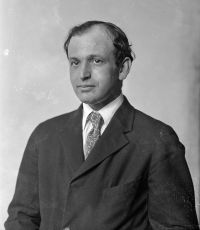
James Oppenheim

James Oppenheim

Clerks (1912)

Summary

Portrait of James Oppenheim James Oppenheim Clerks (1912)

They were silent a moment, both puzzled about women. Only a week ago Frances had done an amazing thing—no less than to have Olson lug the parlor furniture down into the empty lot, where, against his terrified protests, she had set fire to the heap. Eddy, coming home, had been struck stock-still by the wild sight in the December evening, the leaping flames, and the sudden revealing of a woman strange to him; a wild creature, crouching, hair loosened in wind, flame-lit eyes dilated, lips parted; living as she hadn't lived for years.
Source: Wikisource

Portrait of James Oppenheim James Oppenheim Clerks (1912)

As the taxi fled up the sky-scraper canon and over Brooklyn Bridge, softly bumping, sleet streaking and dimming the windows and the icy wind breathing sharply through the door-cracks, Eddy held his father in his arms, and neither spoke. Pity and love for the poor thing swelled his heart. What a life!
Source: Wikisource

Portrait of James Oppenheim James Oppenheim Clerks (1912)

And suddenly he saw himself clerking on and on for thirty-five more years, and gradually turning into this dry little thing, his skull stuffed with tariff schedules, his fingers black with ink, running his pen through his hair, whenever he was puzzled. Why, having squeezed all the humanness out of himself, had his father forced Eddy at fourteen to go clerking likewise? Poor automaton, thought Eddy, bitterly, so meagerly educated that he plopped at every stranger this revelation of genius in the family: "I have a daughter, sir, who can play things right off—by ear!"
Source: Wikisource

Get perspective with Kwize: daily news enlightened by great literature