“ Does not our private grief gain temperance? Unhappy mother (if 'tis evil hap We blame when caught in our own folly's trap) Where are thy sons and daughters, seven each, The joyful cause of thy too boastful speech? I see their fourteen stones, and thou, alas, Who from thy misery wouldst gladly pass To death, dost kiss the tombs, O wretched one, Where lies thy fruit so cruelly undone. Thus blossoms fall where some keen sickle passes And so, when rain doth level them, green grasses. What hope canst thou yet harbor in thee? Why Dost thou not drive thy sorrow hence and die? ”
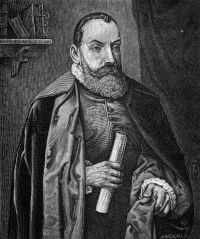
Jan Kochanowski
Summary
.jpg)
“Laments”, is a work by Jan Kochanowski. It explores elements such as Laments, blossoms and gapes.
Quotes from Laments (Jan Kochanowski)
“ Like her poor mother, if more racking woe It were to bear or bury them? Ah, meet Are such delights to make the world more sweet! But heaven hath purer, surer happiness, Free from all intermingling of distress. Care rules not here and here we know not toil, Misfortune and disaster do not spoil. Here sickness can not enter nor old age, And death, tear-nourished, hath no pasturage. [29] We live a life of endless joy that brings Good thoughts; we know the causes of all things. ”
“ Sharp thorns and nettles, cuts the little sprout, It fades and, losing all its living hue, Drops by the mother from whose roots it grew: So was it with my Ursula, my dear; A little space she grew beside us here, Then Death came, breathing pestilence, and she Fell, stricken lifeless, by her parent tree. Persephone, Persephone, this flow Of barren tears! How couldst thou will it so? [12] LAMENT VI Dear little Slavic Sappho, we had thought, Hearing thy songs so sweetly, deftly wrought, That thou shouldst have an heritage one day Beyond thy father's lands: his lute to play. ”
