Lament, a deep expression of sorrow or grief, has long served as a literary means of exploring human anguish and moral reflection. From Valmiki’s poignant verses in The Ramayana, where sorrow underscores unbearable despair, to Matthew Henry’s biblical reflections linking collective grief to divine judgment, the theme transcends cultural boundaries.
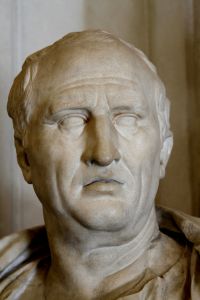
Jean-Baptiste Massillon contrasts the human longing for empathy with the pain of being forsaken, while Charles James Ball connects elegies to shared national sins. Whether through Cicero’s Stoic classification of sorrow or Edwin Abbott Abbott’s philosophical detachment, lament reveals the interplay between personal suffering and universal truths, bridging individual emotion and communal conscience.
 Valmiki,
The Ramayana of Valmiki — Canto XX: Kaus'alyá's Lament
(1870s)
Valmiki,
The Ramayana of Valmiki — Canto XX: Kaus'alyá's Lament
(1870s)