Summary

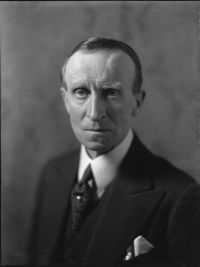
Portrait of John Buchan John Buchan Sir Quixote of the Moors — IX. I COMMUNE WITH MYSELF (1895)

I would be breaking my oath, 'twas true, in leaving the maid, but keeping it in the better way. The thought of the dangers to which she would be exposed stabbed me like a dart. It had almost overcome me. "But honor is more than life or love," I said, as I set my teeth with stern purpose.
Yet, though all my soul was steeled into resolution, there was no ray of hope in my heart—nothing but a dead, bleak outlook, a land of moors and rain, an empty purse and an aimless journey.
Source: Wikisource

Portrait of John Buchan John Buchan Sir Quixote of the Moors — IX. I COMMUNE WITH MYSELF (1895)

I dearly loved warmth and comfort; the moors were as fearful to me as the deserts of Muscovy.
One course remained. Anne had money; this much I knew. She loved me, and would obey my will in all things; of this I was certain. What hindered me to take her to France, the land of mirth and all pleasant things, and leave the North and its wild folk behind forever? With money we could travel expeditiously. Once in my own land perchance I might find some way to repair my fortunes, for a fair wife is a wonderous incentive.
Source: Wikisource

Portrait of John Buchan John Buchan Sir Quixote of the Moors — IX. I COMMUNE WITH MYSELF (1895)

If they came back no more, and I had sure tidings of their death, then indeed I might marry Anne. But 'twas so hazardous an uncertainty that I rejected it at once. No man could dwell with one whom he loved heart and soul so long a time on such uncertain chances and yet keep his honor. Had the maid been dull and passive, or had I been sluggish in blood, then there might have been hope.
Source: Wikisource

Get perspective with Kwize: daily news enlightened by great literature