Summary

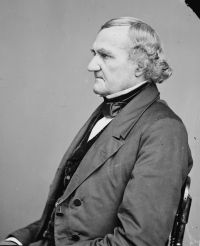
Portrait of John Catron John Catron Bevins v. Ramsey — Opinion of the Court

The fourth plea contains no answer to the declaration in substance; and what it does contain is badly pleaded.
The gravamen of the action is the neglect to take any bond, or if any were taken, the taking of insufficient surety.
This plea avers the taking of a bond which it sets forth, and so far it is good. But it does not aver the sureties to have been good or sufficient; and, therefore, it does not in that meet the declaration.
That the plaintiffs sued on the bond, does not show it to have been sufficient, but is, perhaps, the best way of proving its insufficiency.
Source: Wikisource

Portrait of John Catron John Catron Bevins v. Ramsey — Opinion of the Court

It is true that profert may, by the statutes, be made of a copy, as the original remains in the office, but the assignment must be of the original bond.
The fourth plea of the defendants was a good and sufficient answer to the declaration, for several reasons. The law of Tennessee does not impose upon clerks and masters in chancery, in express terms, the duty of requiring bonds in cases of the dissolution of injunctions or judging of the sufficiency of the sureties thereto; the obligation arises simply from the order or interlocutory decree delegating him to this power by the court.
Source: Wikisource

Portrait of John Catron John Catron Bevins v. Ramsey — Opinion of the Court

It is clearly a part of the duty of the master to approve such bonds. The bond is an official one, to be filed in court, not kept by the receiver. The receiver is to act only on such a bond as the proper officer of the court shall have approved. It is the duty of the receiver not to surrender the property till such a bond, properly approved, be filed. The order does not give the receiver the right, nor throw on them the duty of approving the bond.
Source: Wikisource

Get perspective with Kwize: daily news enlightened by great literature