Summary

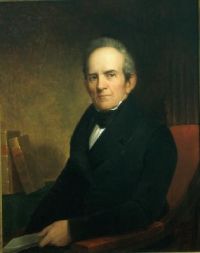
Portrait of Smith Thompson Smith Thompson Sprigg v. Bank of Mount Pleasant…

It has been contended, that it appearing expressly on the face of the bond that the defendant acknowledged himself as principal, did not vary the question; for that all joint and several obligors in a bond are, in judgment of law, considered principals. This is true, as a prima facie presumption of law; but is not conclusive upon a party when drawn in question before a proper tribunal. But as matter of estoppel at law, it may stand on a different footing; and is, at all events, as matter of fact more conclusive.
Source: Wikisource

Portrait of Smith Thompson Smith Thompson Sprigg v. Bank of Mount Pleasant…

But when one who is in reality only surety, is willing to place himself in the situation of a principal, by expressly declaring upon his contract that he binds himself as such; there cannot be any hardship in holding him to the character in which he assumes to place himself. As to that particular contract, he undertakes as a partner with the debtor; and has no more right to disclaim the character of principal than the creditor would have to treat him as principal if he had set out in the obligation that he was only surety.
Source: Wikisource

Portrait of Smith Thompson Smith Thompson Sprigg v. Bank of Mount Pleasant…

It is an established rule in demurrers, that although the pleading demurred to may be defective, the court will give judgment against the party whose pleading was first defective in substance. The question is therefore to be considered upon the validity of the plea. If the defendant can be let in to set up that he was surety only, the matter alleged is sufficient to exonerate him from liability in the present suit. It falls within the settled rule of law in relation to sureties, that extending to the principal further time of payment, by a new agreement, will discharge the surety.
Source: Wikisource

Get perspective with Kwize: daily news enlightened by great literature